
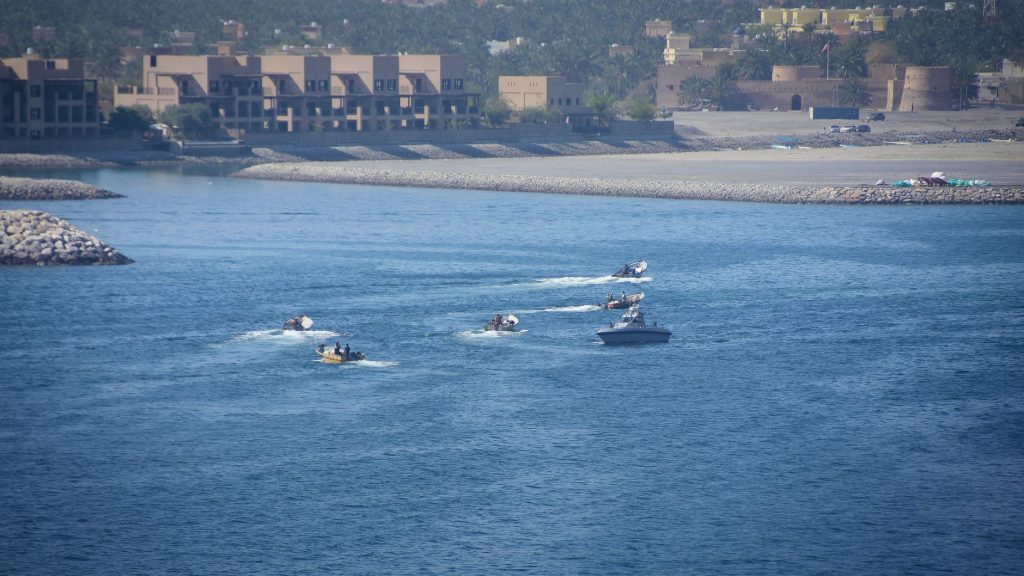
Are Indian ships at risk of being caught in a US-imposed blockade in a vital Middle Eastern waterway? The answer is yes, but the Indian government is taking steps to ensure compliance.
A recent meeting between Indian External Affairs Minister S Jaishankar and US Senator Marco Rubio has highlighted the importance of Indian vessels adhering to a US-led blockade in the Strait of Hormuz.
The Strait of Hormuz, a narrow waterway that connects the Gulf of Oman to the Persian Gulf, is a critical shipping route for Indian oil imports and other trade. The US has imposed economic sanctions on several countries, including Iran and Venezuela, which have led to a US-led blockade in the Strait.
What’s the US blockade all about?
The US has imposed sanctions on several countries as part of its ‘maximum pressure’ campaign to restrict their oil exports. The goal is to limit the flow of oil revenue to these countries, which the US sees as a threat to regional stability.
The blockade in the Strait of Hormuz affects several countries, including Iran, which is the world’s fourth-largest oil exporter. The sanctions have led to a significant reduction in Iran’s oil exports, which has had a ripple effect on the global oil market.
Why is this a concern for India?
India is heavily reliant on oil imports, and a significant portion of its oil comes from the Middle East. The Strait of Hormuz is a critical shipping route for Indian oil tankers, and any disruption to this route could have a significant impact on India’s oil imports.
According to a report by the Society for Indian Oil and Gas Technology, India imports around 80% of its oil from the Middle East, with the majority of it coming from Iran, Saudi Arabia, and the UAE. The report also notes that the Strait of Hormuz is the most critical shipping route for Indian oil imports, accounting for around 40% of India’s total oil imports.
What’s India doing to comply with the US blockade?
Following the meeting between Jaishankar and Rubio, India has assured the US that it will take steps to ensure that Indian vessels comply with the US blockade. In a statement, the Indian External Affairs Ministry said that India will take all necessary measures to ensure that Indian vessels adhere to the US-led blockade.
The Ministry also noted that India has a long-standing commitment to upholding international law and respecting the sovereignty of other countries. The statement added that India will continue to engage with the US and other countries to resolve any issues related to the blockade.
While the meeting between Jaishankar and Rubio has highlighted the importance of Indian vessels complying with the US blockade, it is unclear how India will implement these measures. The Indian government has not provided any details on how it plans to ensure compliance, but it is likely that the government will work with Indian shipping companies to implement new regulations and guidelines.
The US blockade in the Strait of Hormuz is a complex issue that has significant implications for India’s oil imports and trade. While India has assured the US that it will comply with the blockade, it remains to be seen how the Indian government will implement these measures and what impact it will have on Indian trade and commerce.
In the meantime, Indian readers are wondering what this means for India’s oil imports and trade. The answer is that India will have to navigate a complex web of international sanctions and trade restrictions to ensure that its oil imports continue to flow smoothly.