
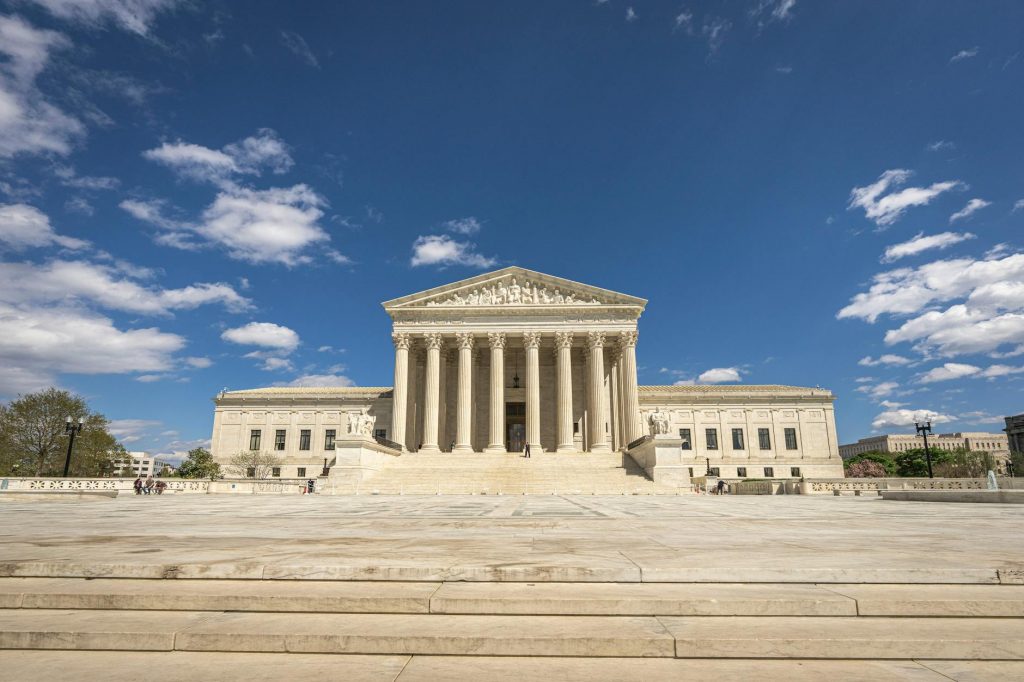
Imagine you’re scrolling through your phone, just like millions of us do every day, and you stumble upon a video that shocks you. Maybe it shows something deeply unfair, or a disturbing act of cruelty. You might share it, discuss it with friends, or even feel a pang of anger. But what if that viral video had the power to grab the attention of the highest court in our country, the Supreme Court of India, and make them consider taking action all on their own?
When a Shocking Video Came Close to Supreme Court Action
This is exactly what almost happened recently. A video that went viral across social media platforms caused a significant stir. The content of the video was so disturbing and raised serious questions about a particular incident that it caught the eye of many, including legal experts and, crucially, the Supreme Court. In fact, the situation was so grave that the judges were on the verge of initiating what’s called a ‘suo motu’ hearing. ‘Suo motu’ is Latin for ‘on its own motion,’ meaning the court could have decided to take up the case without any formal petition being filed by the affected parties.
The Power of Viral Content in Legal Matters
This near-intervention by the Supreme Court highlights the incredible power that viral videos now wield in our digital age. What starts as a shared clip online can quickly escalate into a matter of national concern. In this instance, the video’s widespread circulation meant that the issue couldn’t be ignored. It brought to light a situation that, in the opinion of some, demanded immediate judicial scrutiny to ensure justice and uphold the law. The fact that the apex court even considered stepping in shows how seriously such digital evidence, when it points to serious wrongdoing, can be taken.
Why This Matters for Everyday Indians
For us, the ordinary citizens of India, this event serves as a potent reminder. It shows that while social media can be a space for entertainment and connection, it can also become a powerful tool for accountability. When incidents of injustice or illegality are captured and shared widely, they have the potential to reach even the highest echelons of our legal system. This means that even without filing complex legal documents, a collective voice amplified through viral content can, in rare but significant circumstances, prompt the courts to look into matters that might otherwise go unnoticed or unaddressed. It’s a testament to how technology and public awareness can intersect to push for justice.