
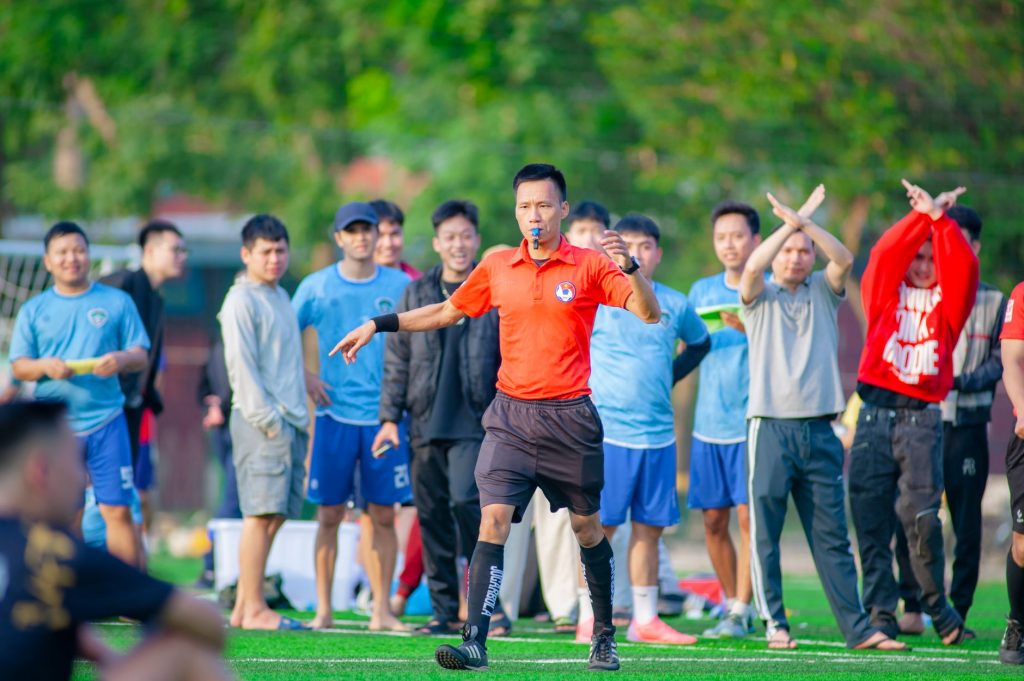
The FIFA World Cup has introduced new rules to enhance the game’s excitement and fairness. The latest regulations aim to reduce controversies and improve player safety. This move is significant, as it reflects the governing body’s efforts to adapt to the evolving needs of the sport.
The new rules focus on various aspects, including concussion protocols, goalkeeper movements during penalties, and the use of video assistant referees (VARs). These changes are designed to promote a more enjoyable and secure experience for players, officials, and spectators alike. By addressing key concerns, the updated regulations demonstrate FIFA’s commitment to the well-being and satisfaction of all stakeholders involved in the World Cup.
Understanding the New Rules
To appreciate the impact of these changes, it is essential to understand the reasoning behind each new rule. For instance, the concussion protocol has been revised to ensure that players who suffer head injuries are promptly removed from the game and undergo thorough medical assessments. This precautionary measure helps prevent further harm and allows for more accurate diagnoses. Similarly, the revised rules for goalkeeper movements during penalties are intended to prevent unfair advantages and maintain the integrity of the game.
The introduction of VARs has been a significant development in the World Cup, enabling officials to review and correct decisions more accurately. The updated rules clarify the role of VARs in the game, specifying when and how they can be used to review incidents. By providing a clearer framework for the use of VARs, the new regulations aim to reduce controversy and promote a more consistent application of the rules.
The Significance of the New Rules
The updated regulations are crucial, as they reflect the evolving nature of the sport and the need for adaptability. The World Cup is a global event, watched by millions of people from diverse backgrounds and cultures. As such, it is essential to ensure that the game is conducted fairly, safely, and enjoyably for all participants and spectators. The new rules demonstrate FIFA’s willingness to listen to feedback, address concerns, and implement changes that benefit the sport as a whole.
The impact of these changes will be felt not only during the World Cup but also in the broader football community. The updated regulations will influence how the game is played, coached, and officiated at various levels, from local leagues to international competitions. As a result, the new rules have the potential to shape the future of football, promoting a more enjoyable, secure, and fair experience for everyone involved.
What Happens Next
As the World Cup progresses, the new rules will be closely scrutinized, and their effectiveness will be evaluated. FIFA will continue to monitor the game, gathering feedback from players, coaches, officials, and spectators to identify areas for further improvement. The organization may choose to refine or modify the rules based on the insights gained during the tournament, ensuring that the sport remains dynamic, exciting, and fair for all participants.
In conclusion, the introduction of new rules in the World Cup is a significant development that reflects the sport’s evolving needs. By understanding and embracing these changes, fans, players, and officials can contribute to a more enjoyable and secure experience for everyone involved. As the tournament unfolds, it will be exciting to see how the new rules shape the game and what implications they may have for the future of football.