
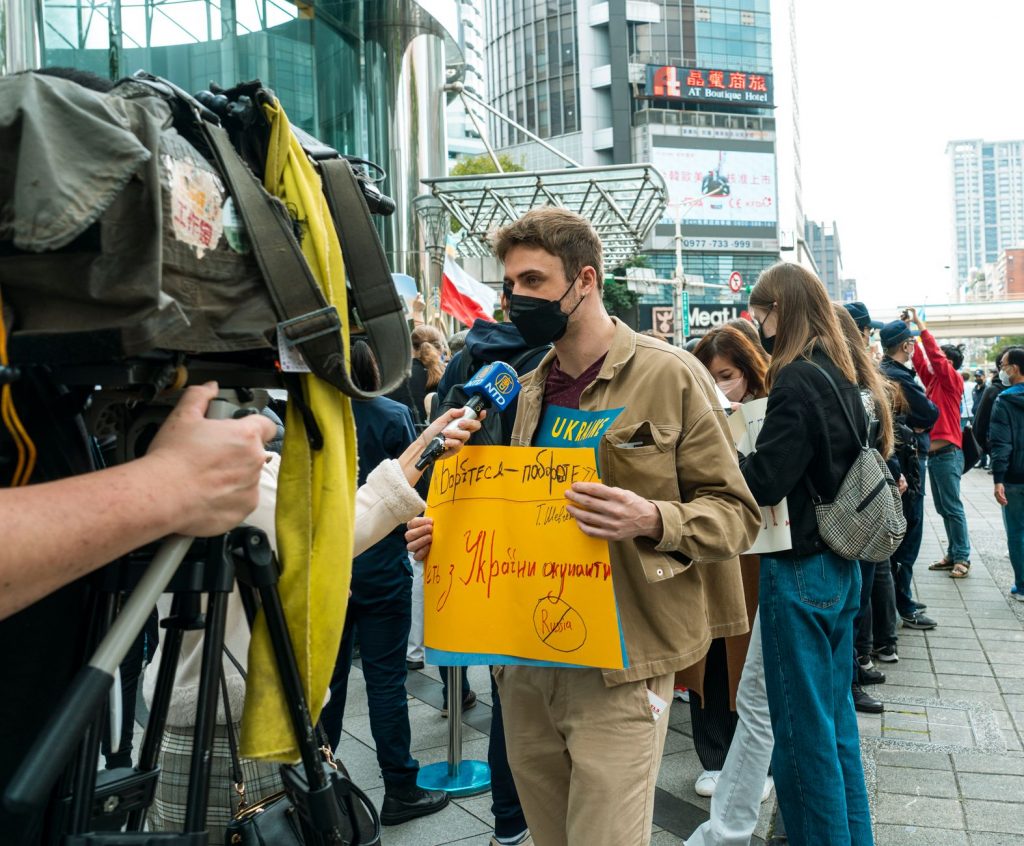
Imagine you are on a train from Mumbai to Delhi, and suddenly, the train stops at a station due to a dispute between two groups of people. The dispute is so severe that it has been going on for months, causing inconvenience to thousands of passengers like you. This is similar to what is happening in Ukraine, where a conflict between the government and Russian-backed separatists has been ongoing for years.
The conflict has caused immense suffering to the people of Ukraine, with thousands of lives lost and many more displaced. The international community has been trying to broker peace talks between the two sides, but so far, no agreement has been reached. Recently, Ukrainian President Volodymyr Zelensky met with his European allies to discuss the possibility of peace talks.
European Allies Set Conditions for Peace Talks
The meeting between Zelensky and his European allies came at a time when the attention of the international community is focused on the rising tensions between the US and Iran. Despite this, the European allies of Zelensky have made it clear that they will not compromise on their demands for peace talks. They have set out five conditions that must be met before any talks can begin.
The first condition is that Russia must withdraw its troops from Ukrainian territory. The second condition is that Ukraine must be allowed to control its own borders. The third condition is that all prisoners of war must be released. The fourth condition is that there must be a ceasefire agreement in place. The fifth condition is that there must be international monitoring of the ceasefire to ensure that both sides comply with the agreement.
Why These Conditions Are Important
These conditions are important because they address the core issues that have been driving the conflict in Ukraine. The presence of Russian troops in Ukrainian territory has been a major point of contention, and their withdrawal is essential for any peace talks to succeed. Similarly, Ukraine’s control over its own borders is crucial for its sovereignty and territorial integrity. The release of prisoners of war is a humanitarian issue that must be addressed, and a ceasefire agreement is necessary to prevent further bloodshed.
The international community has a crucial role to play in ensuring that these conditions are met. The European allies of Zelensky have made it clear that they will not compromise on these demands, and it is up to Russia and the Ukrainian government to come to an agreement. The US, which has been a key player in the conflict, must also play a constructive role in facilitating peace talks.
What Happens Next
Now that the European allies of Zelensky have set out their conditions for peace talks, it remains to be seen how Russia and the Ukrainian government will respond. If Russia is willing to withdraw its troops and allow Ukraine to control its own borders, then peace talks may be possible. However, if Russia refuses to compromise, then the conflict is likely to continue.
The international community must continue to pressure Russia to comply with the conditions set out by Zelensky’s European allies. The US, in particular, has a crucial role to play in facilitating peace talks. The Indian government, which has good relations with both Russia and Ukraine, can also play a constructive role in promoting peace and stability in the region.
In conclusion, the conflict in Ukraine is a complex issue that requires a nuanced and multi-faceted approach. The conditions set out by Zelensky’s European allies are a step in the right direction, but it remains to be seen how Russia and the Ukrainian government will respond. The international community must continue to work towards a peaceful resolution of the conflict, and India can play a constructive role in promoting peace and stability in the region.