
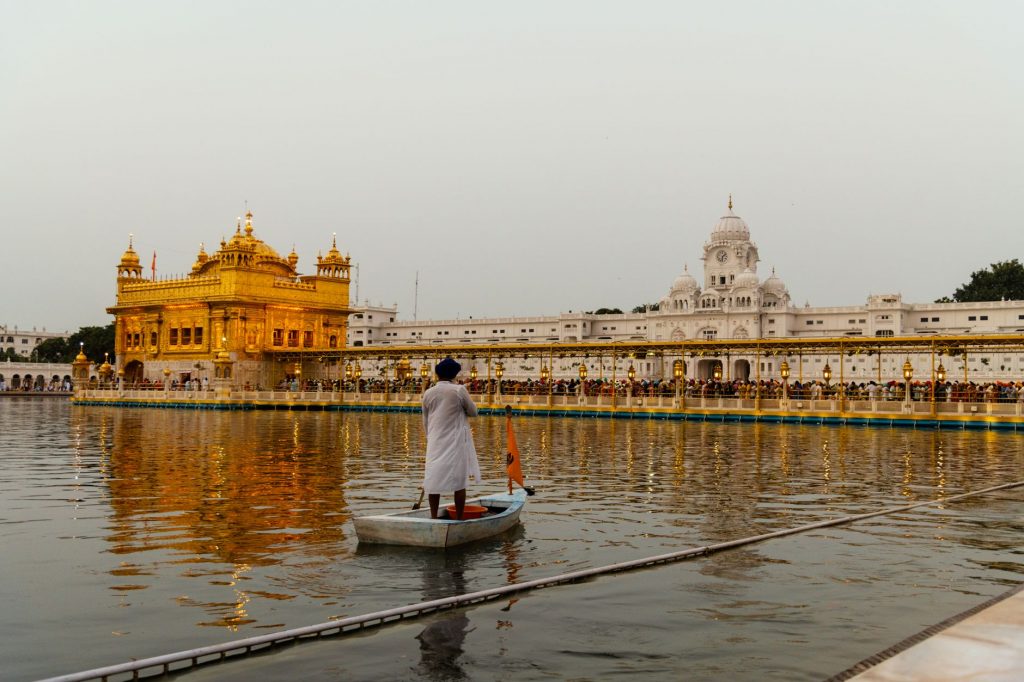
Today, Punjab is a thriving state in northern India, famous for its rich history, vibrant culture, and lush green fields. But, amidst its prosperity, the shadow of separatism still lingers in the air, a reminder of the tumultuous past that continues to shape the state’s present.
It’s been over three decades since the Indian Army’s Operation Blue Star in 1984, which aimed to flush out Sikh extremists from the Golden Temple in Amritsar. The operation turned violent, resulting in the deaths of hundreds of innocent civilians and the desecration of the sacred temple. The trauma and outrage caused by this event continue to haunt Punjab, as Sikhs and Hindus struggle to put the past behind them.
The Roots of Separatism
Punjab’s separatist movement, which gained momentum in the 1970s and 1980s, was fueled by a deep-seated sense of economic and cultural marginalization among the state’s Sikh population. The ruling Congress party, led by Indira Gandhi, was seen as oppressive and dismissive of Sikh concerns, leading to widespread resentment among the community.
The rise of Sikh extremist groups, such as the Khalistan Liberation Force, was a response to this perceived injustice. These groups demanded an independent Sikh state, Khalistan, and were willing to use violence to achieve their goal. The Indian government, however, refused to accommodate their demands, leading to a cycle of violence and repression that continues to this day.
The Legacy of Operation Blue Star
Operation Blue Star, which was intended to flush out Sikh extremists from the Golden Temple, ended up killing hundreds of innocent civilians and damaging the temple’s sacred structure. The event was widely condemned, both at home and abroad, and led to a significant escalation of the separatist movement.
The impact of Operation Blue Star can still be seen today. Many Sikhs continue to feel a deep sense of resentment towards the Indian government, which they see as having betrayed their trust. The event also led to a significant increase in militancy in Punjab, as extremist groups sought to avenge the deaths of their loved ones.
The Road to Reconciliation
Despite the challenges posed by the separatist movement, there are signs that Punjab is slowly moving towards reconciliation. In recent years, the state government has taken steps to address the economic and cultural grievances of the Sikh community, including the establishment of a special task force to promote Sikh culture and heritage.
Additionally, the Indian government has initiated efforts to promote dialogue and reconciliation with Sikh leaders, including the establishment of a permanent mechanism for inter-faith dialogue. While these efforts are still in their infancy, they offer a glimmer of hope for a future where Sikhs and Hindus can live together in peace and harmony.
As Punjab continues to navigate the complex issues of its past, it’s clear that the shadow of separatism will take time to fade. However, with patience, understanding, and a commitment to reconciliation, it’s possible to build a brighter future for all Indians, regardless of their faith or background.